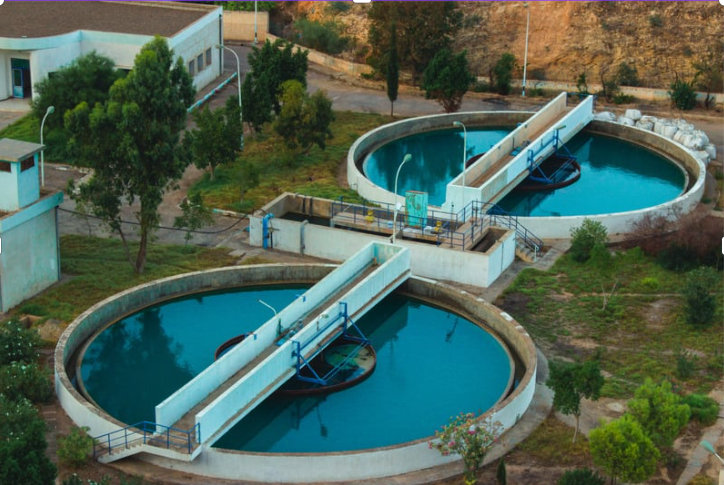
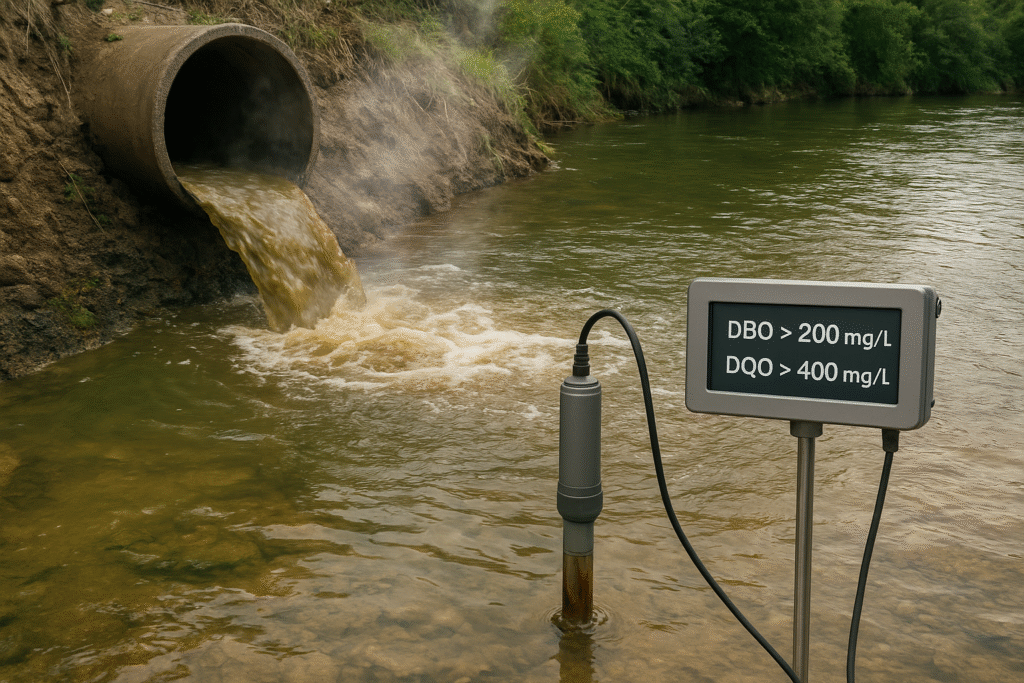
1. Curtiembre tradicional que tiene que depurar agua
Secuencia: primero contamina → luego intenta limpiar.
Genera efluentes con cromo, sulfuros, grasas, pigmentos, sólidos, etc.
Para operar, necesita planta de tratamiento de aguas residuales (costosa en inversión y mantenimiento).
Aun con depuración, siempre quedan residuos secundarios (lodos tóxicos, microquímicos, emisiones).
En muchos países estas curtiembres terminan multadas porque no cumplen el 100% de las normativas.
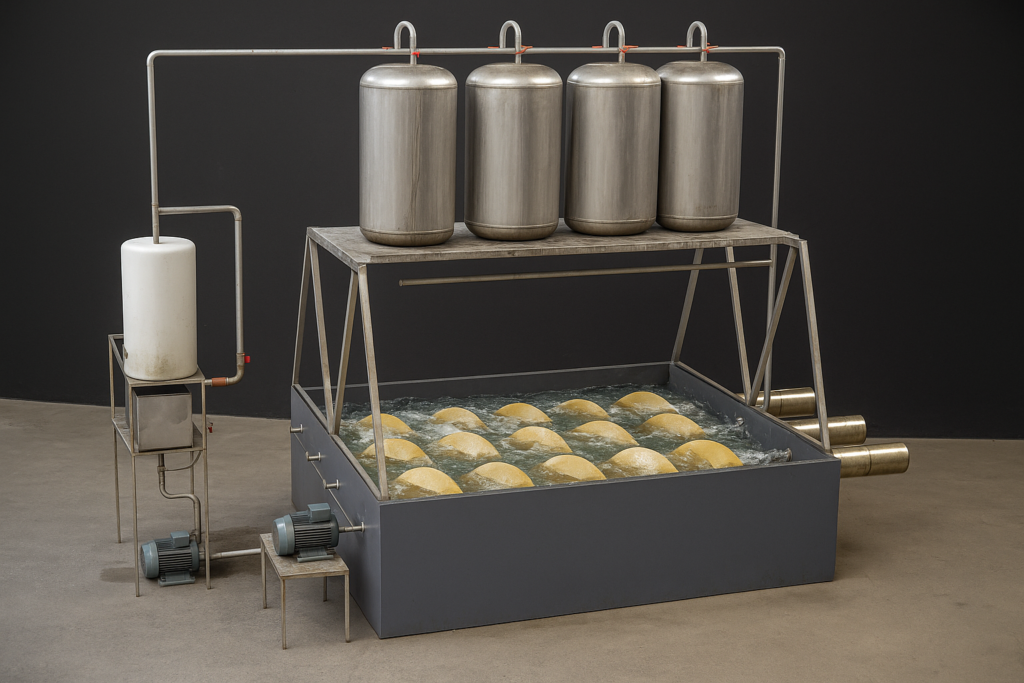
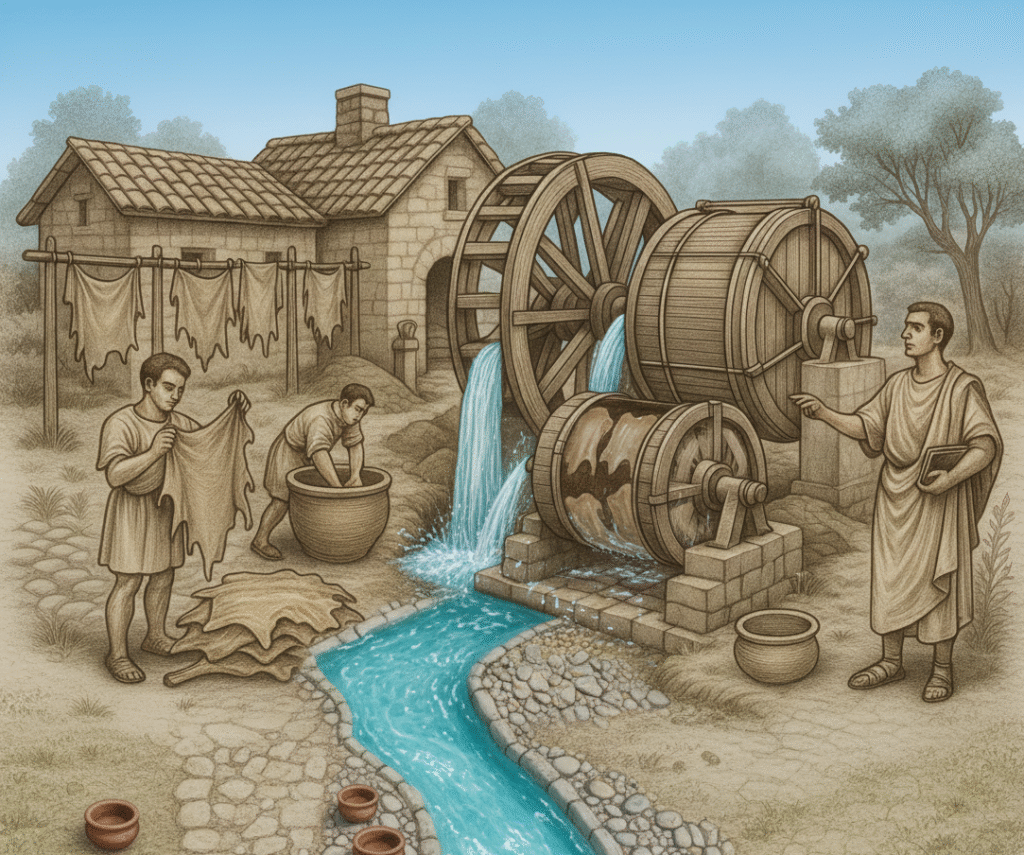
2. Depuradora que curte cueros (modelo Enigma 2040)
Secuencia inversa: primero depura/elimina desechos → el proceso de curtido se integra dentro de un sistema limpio.
El agua que entra y sale del ciclo es pura y reutilizable, sin químicos ni vertidos contaminantes.
No necesita una planta externa de tratamiento: el mismo sistema garantiza cero descargas tóxicas.
Transforma el curtido en un proceso circular, donde no hay “residuo que depurar” sino agua limpia desde el origen.
Diferencia estructural
Curtiembre tradicional: fabrica cuero y luego paga el costo de “limpiar su suciedad”.
Depuradora que curte: fabrica cuero sin ensuciar, por lo que no tiene que “corregir” el daño.
La curtiembre tradicional es reactiva (curte → contamina → limpia).
La Enigma 2040 es una depuradora que curte, es proactiva y preventiva (curte limpio → no contamina → no necesita limpiar).
Esto es lo que hace único al concepto de Enigma 2040: convierte la crítica histórica de la industria (la contaminación del curtido) en un argumento de innovación ecológica.
Websites store cookies to enhance functionality and personalise your experience. You can manage your preferences, but blocking some cookies may impact site performance and services.
Essential cookies enable basic functions and are necessary for the proper function of the website.
Name
Description
Duration
Cookie Preferences
This cookie is used to store the user's cookie consent preferences.
30 days
Statistics cookies collect information anonymously. This information helps us understand how visitors use our website.
Google Analytics is a powerful tool that tracks and analyzes website traffic for informed marketing decisions.
Contains information related to marketing campaigns of the user. These are shared with Google AdWords / Google Ads when the Google Ads and Google Analytics accounts are linked together.
90 days
__utma
ID used to identify users and sessions
2 years after last activity
__utmt
Used to monitor number of Google Analytics server requests
10 minutes
__utmb
Used to distinguish new sessions and visits. This cookie is set when the GA.js javascript library is loaded and there is no existing __utmb cookie. The cookie is updated every time data is sent to the Google Analytics server.
30 minutes after last activity
__utmc
Used only with old Urchin versions of Google Analytics and not with GA.js. Was used to distinguish between new sessions and visits at the end of a session.
End of session (browser)
__utmz
Contains information about the traffic source or campaign that directed user to the website. The cookie is set when the GA.js javascript is loaded and updated when data is sent to the Google Anaytics server
6 months after last activity
__utmv
Contains custom information set by the web developer via the _setCustomVar method in Google Analytics. This cookie is updated every time new data is sent to the Google Analytics server.
2 years after last activity
__utmx
Used to determine whether a user is included in an A / B or Multivariate test.
18 months
_ga
ID used to identify users
2 years
_gali
Used by Google Analytics to determine which links on a page are being clicked
30 seconds
_ga_
ID used to identify users
2 years
_gid
ID used to identify users for 24 hours after last activity
24 hours
_gat
Used to monitor number of Google Analytics server requests when using Google Tag Manager